en
en
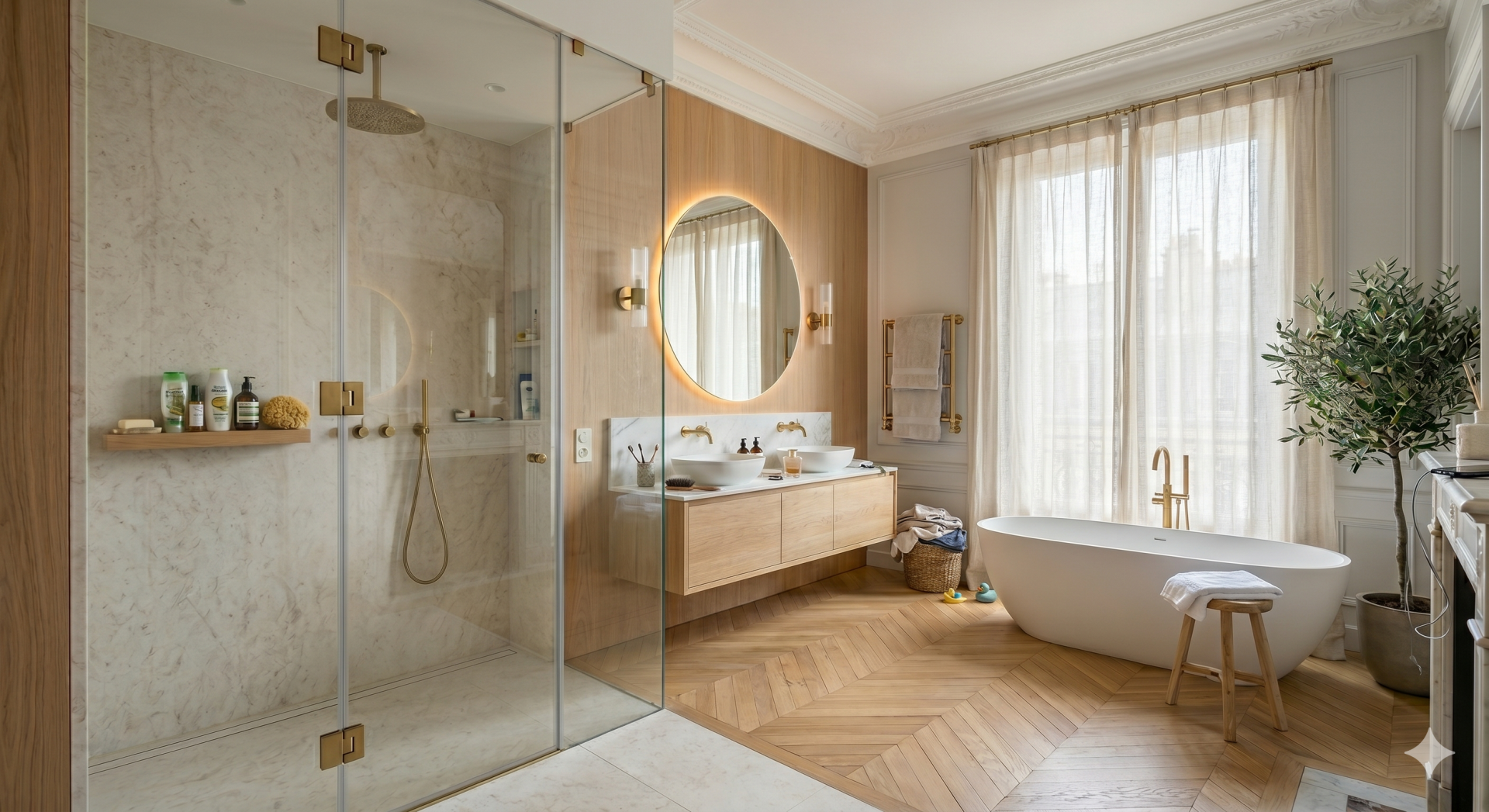
What truly needs to be anticipated before a high end acquisition
The French high end real estate market continues to attract French and international buyers looking for a tangible, wealth preserving and legally secure asset. Paris, the French Riviera, the Basque Coast and certain Alpine resorts continue to enjoy strong appeal among buyers seeking stability, quality of life and capital protection.
However, contrary to a still widespread belief, acquiring luxury real estate in France is no longer simply a negotiation between a seller and a buyer.
In 2026, a high end transaction now involves:
International buyers often discover that the French market is both extremely protective legally and particularly demanding administratively.
At Fairway Luxury Real Estate, we regularly assist:
This practical guide summarizes the main stages and key points of attention involved in buying luxury real estate in France in 2026.
This analysis notably draws on the work of the international law firm Stephenson Harwood and on the guide “Luxury Real Estate in France – Practical guide for your acquisition”, notably written by Gaëtan Rogeau, partner in the Paris office specialized in complex and international real estate transactions.
In certain high end transactions, particularly involving:
Fairway Luxury Real Estate may work in coordination with specialized law firms in order to secure the transaction regarding:
This approach has now become essential in the ultra high end segment, where transactions go far beyond the simple commercial framework and often require genuine coordination between real estate agents, notaries, private banks, tax lawyers, family offices and wealth advisors.
Despite interest rate fluctuations and a market that has become more selective since 2022, several factors continue to support the attractiveness of premium French real estate.
French property law remains particularly protective for buyers. The role of the notary, land registration and the legal framework governing sales strongly limit ownership dispute risks.
For international clients, this legal stability is often a decisive factor.
The high end segment generally resists sharp corrections better than more speculative markets.
In Paris in particular, certain micro markets continue to be supported by:
Areas around Parc Monceau, Invalides, Saint Thomas d’Aquin, Passy and Ternes continue to maintain significant market depth despite a more demanding economic environment.
High end Parisian real estate continues to be perceived as:
This logic is particularly strong among non residents, wealthy families, entrepreneurs and buyers seeking partial wealth protection within the euro zone.
The first step generally consists of submitting a purchase offer or a letter of intent.
This document specifies:
Unlike in certain Anglo Saxon countries, this phase remains relatively flexible legally in France. The objective is mainly to structure negotiations before launching the audits.
Due diligence is now one of the most important phases of a high end acquisition.
It consists of thoroughly analyzing:
In older Parisian real estate, this phase is fundamental.
| Legal status title deed, easements, mortgages, condominium regulations, building designation, lot compliance. | Condominium general meeting minutes, approved works, possible legal proceedings, service charges, financial condition of the condominium, reserve funds. |
| Urban planning and works administrative authorizations, extension compliance, possibility of future works, heritage or protected building constraints. | Technical diagnostics energy performance, asbestos, lead, termites, electrical installation, gas. |
In the Parisian luxury segment, the most frequent issues often concern unauthorized past works, irregularly combined maid’s rooms, unapproved air conditioning systems, verandas, changes of use or certain non compliant annexes.
Once the main verifications have been completed, the parties sign a sale agreement.
It legally governs:
The security deposit generally represents between 5% and 10% of the price.
Conditions precedent have become essential since interest rates increased.
The most common concern:
In practice, they protect the buyer if certain events prevent completion of the sale.
The lending market no longer resembles that of 2021.
Banks now analyze with much greater precision:
Expatriate or foreign buyers can absolutely purchase property in France.
However:
Banks regularly require:
Certain nationalities or legal structures may also trigger enhanced checks.
In 2026, compliance obligations have become central in premium real estate transactions.
The notary, banks and sometimes agencies must verify:
Requested supporting documents may include:
Insufficiently documented files may:
In high end acquisitions, preparing the compliance file therefore becomes a genuine strategic issue.
Beyond the property price, buyers must anticipate:
In older properties, total acquisition costs generally represent around 7% to 8% of the net seller price.
In the Parisian luxury segment, recurring costs can be significant.
Costs to anticipate:
Prestigious older buildings may require:
A precise condominium analysis therefore becomes essential before any acquisition.
Traditional wealth approach with:
Very common among non residents and expatriates.
Attention should nevertheless be paid:
The French market mainly distinguishes:
Each regime involves:
In Paris in particular, regulations regarding short term rentals have become especially strict.
In high end transactions, difficulties generally do not come from the price.
The main obstacles rather concern:
This is precisely why guidance becomes essential for premium acquisitions.
The 2026 market is far more technical than it was a few years ago.
Buyers are:
The luxury real estate agent can no longer simply:
Their value now lies in:
Fairway Luxury Real Estate supports French and international clients in their high end real estate acquisitions in Paris, through an approach combining market analysis, legal security and wealth understanding of transactions.
Can a foreigner buy property in France?
Yes. There are no nationality restrictions for buying real estate in France.
Can you buy property in France without being a French tax resident?
Yes. Non residents can acquire real estate in France without a residence permit.
What down payment is required to buy luxury real estate?
Banks generally require between 10% and 30% down payment depending on the buyer’s profile and tax residence.
What are notary fees for older properties?
Around 7% to 8% of the net seller price for older properties.
What is real estate due diligence?
It is a complete audit of the property covering legal, technical, urban planning and condominium aspects.
Do French banks finance non residents?
Yes, but the criteria are often stricter and not all banks offer this type of financing.
Which documents are required for AML compliance?
Passport, proof of address, origin of funds, bank statements, company documents and wealth documentation depending on the situation.
Can a luxury apartment be rented as a short term rental in Paris?
Yes, but Parisian regulations are particularly strict and sometimes require specific authorizations.
This site is protected by reCAPTCHA and the Google Privacy Policy and Terms of Service apply.